
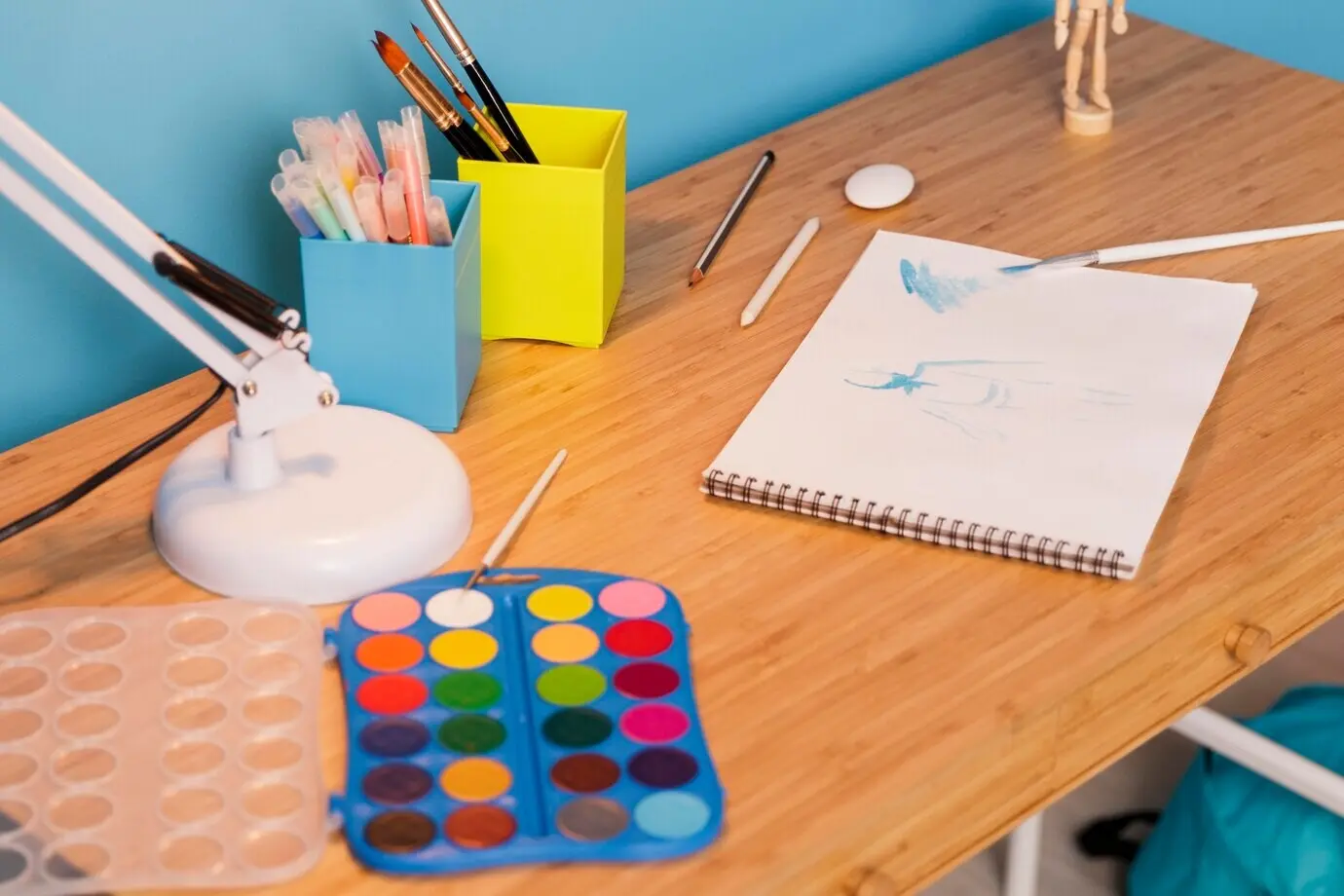
Build, Explore, and Play Safely in the Heart of Home
Welcome to a lively, practical dive into designing kid-safe maker zones in shared family rooms, where creativity meets safety without sacrificing comfort. We will help you shape imaginative corners, clear routines, and inspiring materials so children can invent confidently while adults still relax, host friends, and reclaim order at day’s end.
Start With Safety-Led Zoning
Begin by mapping everyday movement patterns, doorway flows, and supervision angles so inventive mess stays contained and everyone feels at ease. Define gentle boundaries with rugs, tape, or low shelves; separate quiet tinkering from energetic building; and use light, color, and texture to subtly guide kids toward safe choices without constant verbal reminders.
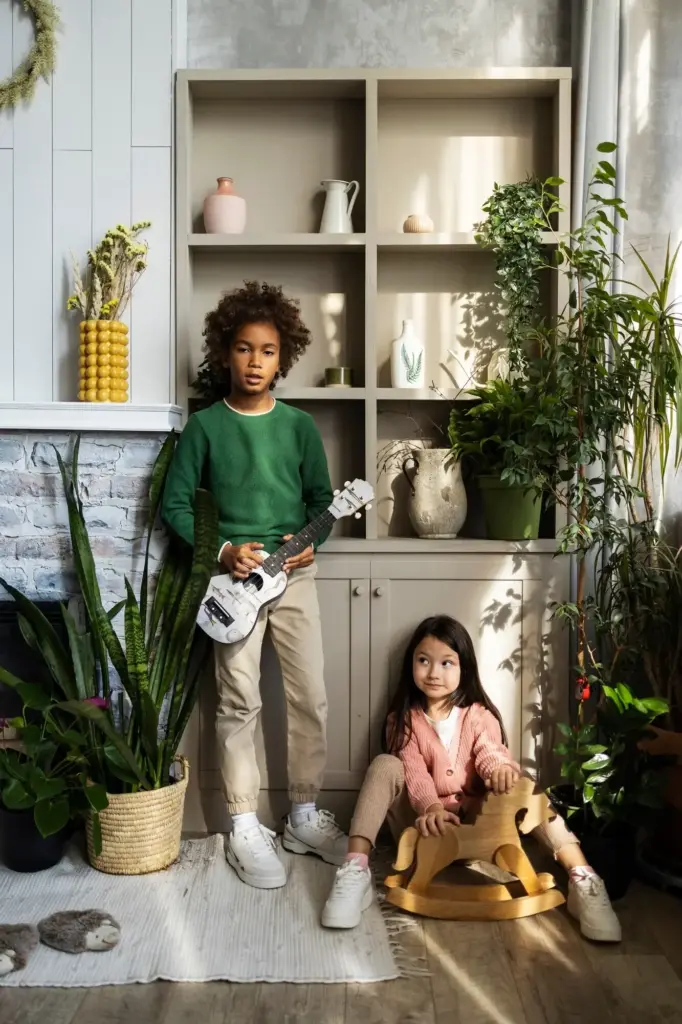
Age Bands, Boundaries, and Buffers
Group activities by developmental stage to prevent tool conflicts and frustration. A toddler bin of chunky connectors near a soft mat, a primary-age crafting station by the window, and a tween circuitry tray on a higher surface create natural buffers. These quiet separations support attention, reduce trip hazards, and encourage collaboration at the right difficulty.
Sightlines That Empower Supervision
Arrange tables and storage so adults can glance up from the sofa or kitchen and see hands, faces, and tools clearly. Low-backed seating, translucent bins, and corner workstations angled toward common areas preserve independence while enabling calm oversight. Fewer blind spots mean fewer surprises, more confidence, and smoother, kinder reminders when curiosity runs ahead.
Gentle Tools That Grow Skills
Start with loop scissors, chunky screwdrivers, plastic yarn needles, and hand drills with depth stops. Each tool should introduce one new capability without overwhelming. Pair tools with demonstrations and a two-minute practice challenge, turning safety into a game. Over time, graduate to sharper or hotter options only when readiness shows in steady, respectful handling.
Smart Adhesives and Cutting Choices
Prefer low-temp glue with silicone finger guards, school glue for paper, and glue dots for quick fixes. Offer craft knives only at a high, supervised station with cutting mats and a clear return cup. Pre-score cardboard with adults’ help to reduce force. Teach a calm countdown before cuts, making precision and patience part of the ritual.
Upcycle Bins That Spark Ideas
Collect clean jars, sturdy boxes, fabric offcuts, and bottle caps in clear, labeled bins. Kids love recognizing familiar packaging transformed into rocket fins or puppet stages. Introduce a weekly “mystery material” that prompts fresh ideas. This practice keeps costs down, nurtures sustainability values, and turns everyday recycling into a powerful springboard for invention.
Labels Kids Can Actually Use
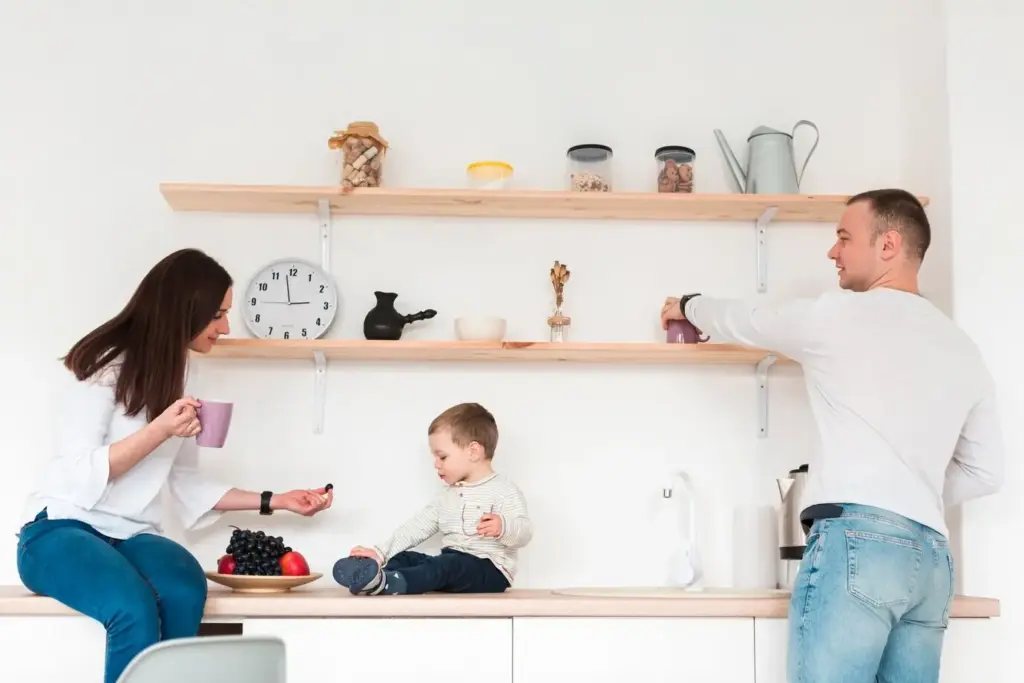
Combine icons, color bands, and simple words so pre-readers succeed and readers build vocabulary. Place labels facing the child’s usual approach angle; keep frequently used items at eye level. A five-minute “find and match” labeling game doubles as cleanup practice. Kids gain ownership and pride when they can manage materials without guesswork or disappointment.
Vertical, Mobile, and Modular
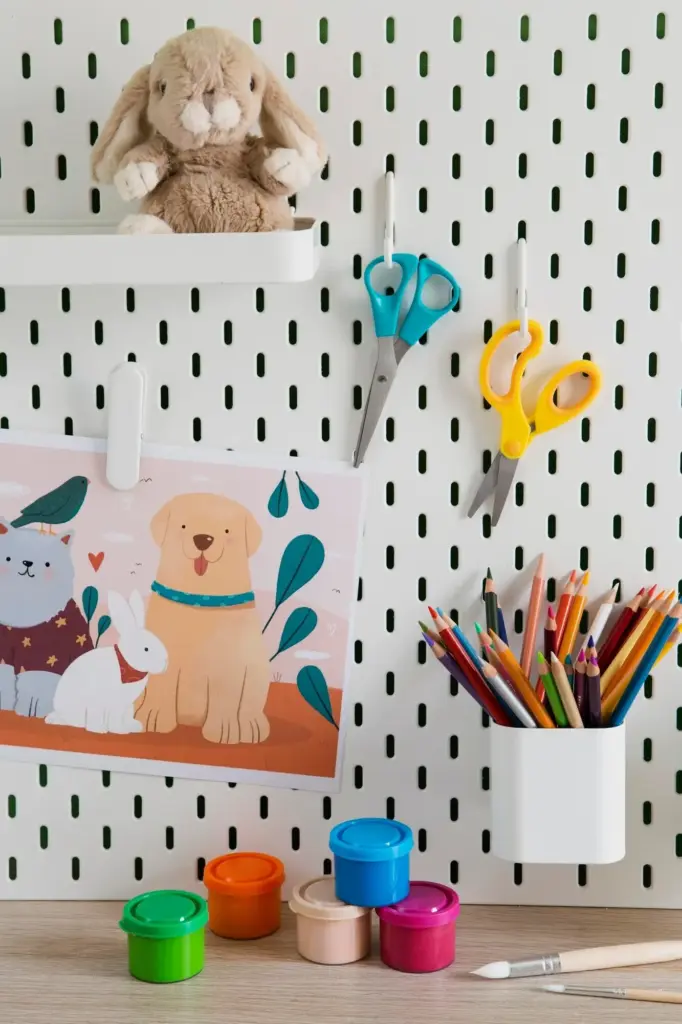
Capture wall space with pegboards and rails; keep floors open for imaginative play. Put supplies in stackable bins and carts on casters, so stations roll out for building and glide away for movie night. Modular tables fold or nest, preserving valuable living room flow. The room remains welcoming, yet instantly ready for bursts of creativity.
Cleanup Rituals That Stick
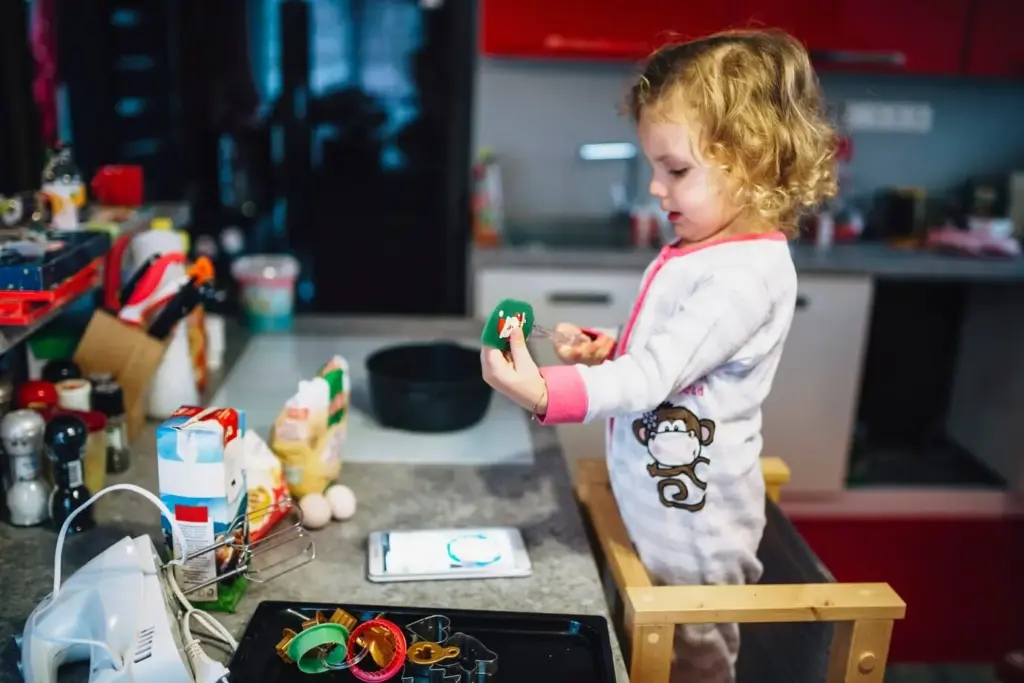
Establish a cheerful playlist, set a gentle timer, and assign small roles: cap checker, bin captain, floor scout. Celebrate the reset with a quick “show-and-tell” and a photo of in-progress builds. Predictable rituals remove power struggles, reinforce responsibility, and make tomorrow’s restart easy, because everything is ready, visible, and waiting to be explored again.
Layouts That Respect Shared Living
Balance comfort and creativity through zones that serve multiple purposes. A corner workstation captures tinkering; a foldout table extends for collaboration; a washable rug defines paint areas. Keep fragile decor above reach and soft throws nearby for family movie nights. The space signals welcome to all, honoring both curiosity and restful togetherness after projects.
Safety Habits, Checklists, and Micro-Lessons
Choose comfortable goggles with anti-fog vents, breathable aprons, and snug gloves that still allow dexterity. Let children personalize gear with stickers to build ownership. Store everything at kid height for easy reach. When equipment fits and feels friendly, wearing it becomes a proud ritual rather than a negotiation, and safer choices happen naturally, every time.
Create a high station for hot tools with silicone mats, clear on/off indicators, and a timer plug. Use child-safe outlets, cord clips, and blade covers. Demonstrate safe passes and a “tools parked here” rule. These systems cut risk drastically while teaching respect for power, helping young makers practice caution without losing curiosity or momentum.
Post a calm, kid-friendly action plan: pause, breathe, get help. Keep bandages, sterile wipes, and burn gel clearly marked. Practice short, reassuring drills that end with a high-five. Preparedness reduces anxiety for everyone, including guests, and shows children that safety is a shared skill set, not a scolding. Confidence rises, and so does creative bravery.

Quick Wins For Weekday Evenings
Try paper circuits, cardboard mechanisms, or stamp-print patterns that reset in minutes. Set a single constraint—two materials, three colors, or one power source—to spark focus. End with a thirty-second gallery walk. These compact rituals nourish creative muscles on busy days, keeping the room tidy and your family’s energy balanced for bedtime routines afterward.
Weekend Builds With Shared Ownership
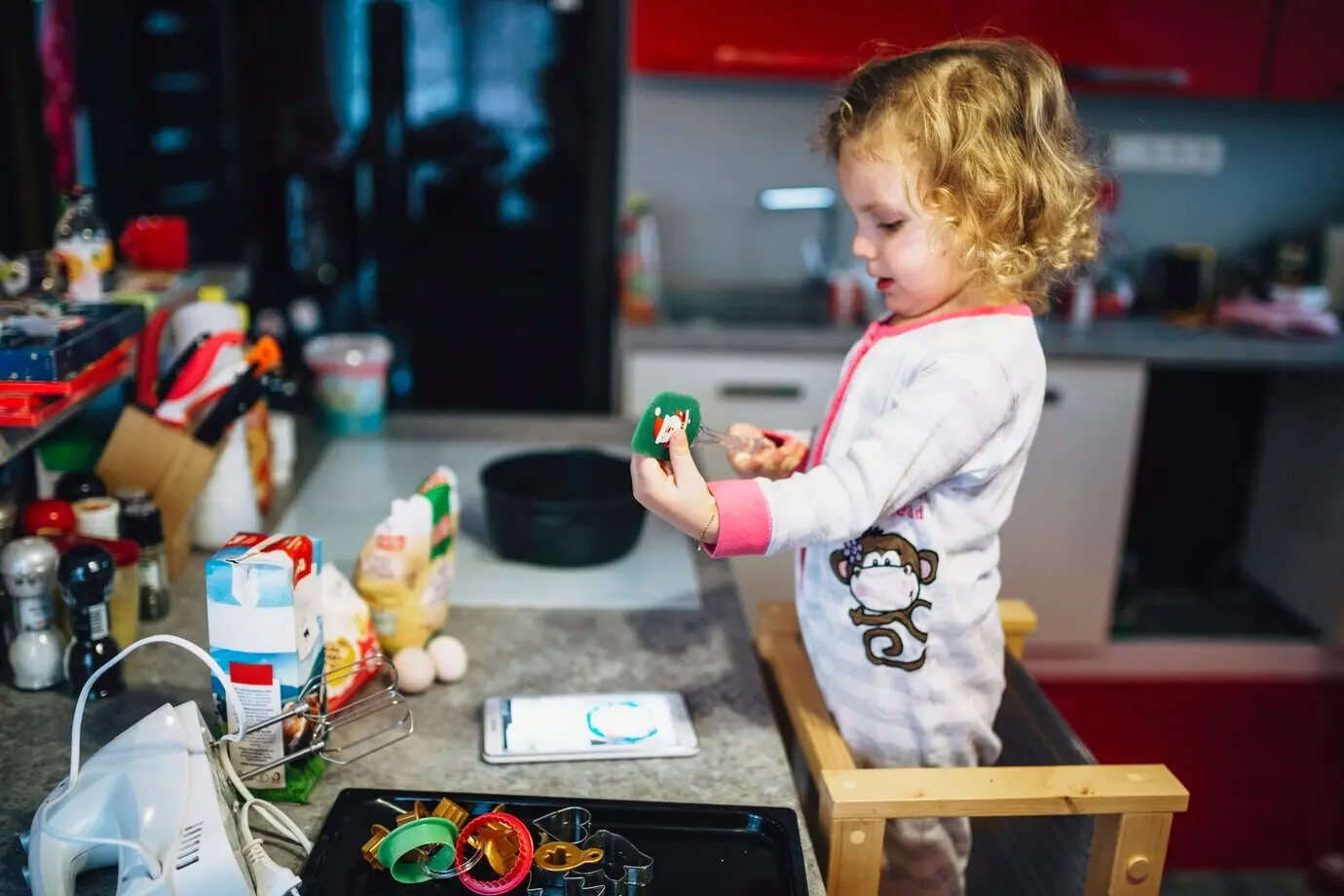
Tackle birdhouses, marble runs, or puppet theaters that unfold over two sessions. Assign roles—designer, materials scout, tester—and rotate next time. Photograph each stage to honor progress and adjust plans. Larger builds teach patience and cooperation while offering satisfying reveals, creating anchor memories in the same space where laughter, snacks, and evening stories live.
All Rights Reserved.