
Compact Making at Home: Quiet Machines, Beautiful Spaces

Bring professional-grade fabrication into your living room without sacrificing calm, comfort, or style. Today we explore integrating 3D printers and CNC tools into living areas with a minimal footprint, focusing on smart layouts, quiet enclosures, clean air, and safe automation. Learn how to plan workflows around family routines, hide machines inside tasteful furniture, and keep materials tidy and dry. From noise control to remote monitoring, you’ll find practical ideas, stories, and checklists to make creative production blend naturally with everyday home life.

Small Footprint Planning That Respects Daily Living

Design begins with empathy for the people and the space. Measure clearances for doors, pets, and strollers, map power outlets, and note when rooms are busiest. Prioritize a compact footprint by stacking functions vertically and keeping pathways open. Sketch a loop that goes from storage to prep to machine to cleanup without crossing dinner or homework zones. Test the plan with cardboard mockups, then refine until everything moves smoothly with minimal disruptions and effortless resets.

The Five‑Zone Apartment Maker Layout

Divide your home shop into five tiny but efficient zones: intake, prep, machine, finishing, and staging. Each zone can be a shelf or drawer, yet together they create flow. Label containers, color-code tools, and keep the busiest zone closest to the machine. This simple pattern prevents clutter avalanches and makes cleanup fast enough to finish before bedtime.

Pathways That Respect Shared Routines

Use painter’s tape to draw traffic lines on the floor for a day and watch how family and pets move. Place machines where those paths stay clear, even when doors open. Keep cords and hoses inside channels, and make tool handles reachable without leaning over seating. When the layout honors routines, everyone welcomes the making energy.

Enclosures That Breathe Without Leaking Sound
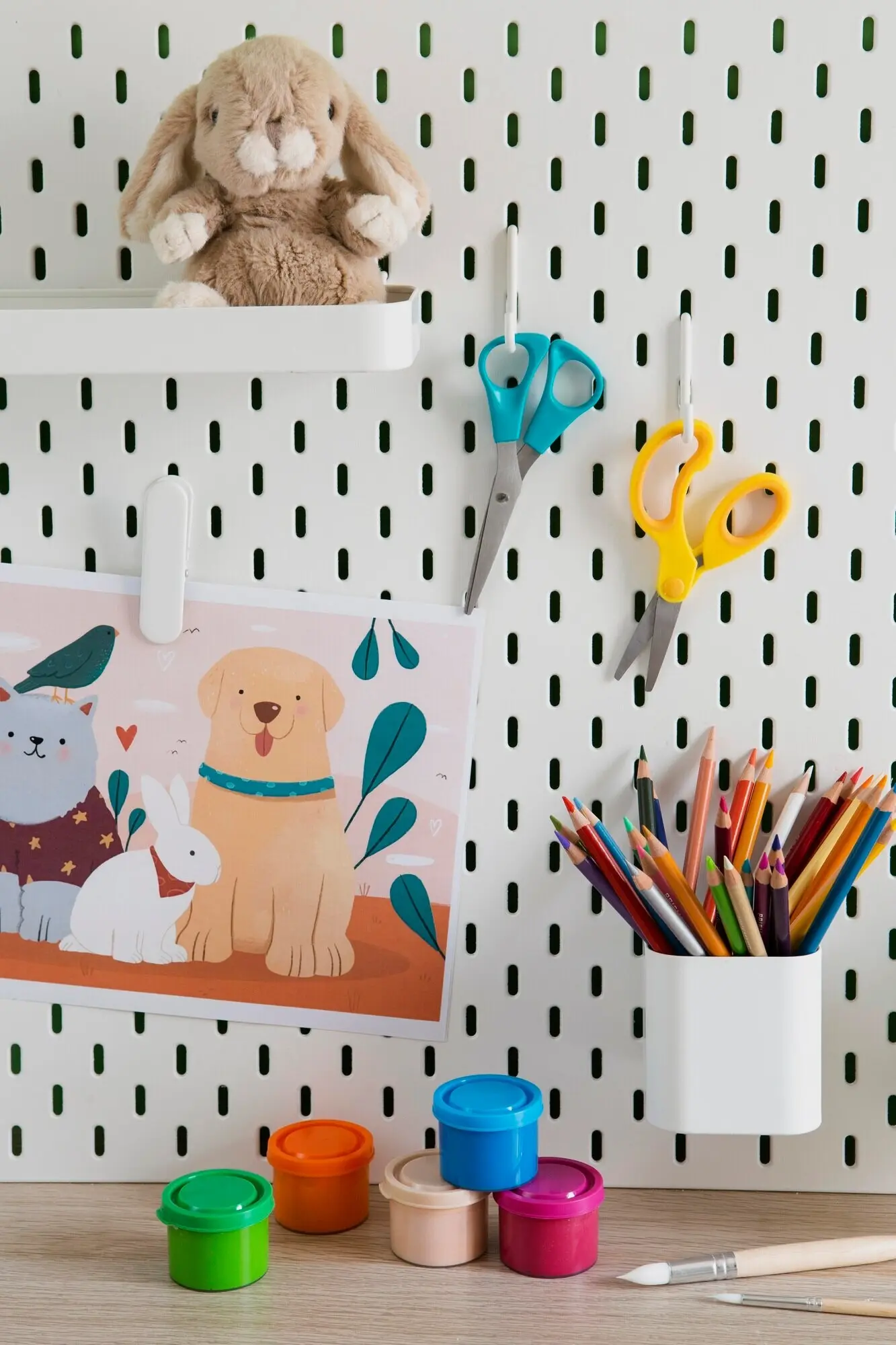
Build a rigid box with laminated panels, heavy seals, and double‑pane windows, then add a baffled air path so heat and fumes escape while noise loses energy in turns. Position intake low, exhaust high, and consider a thermostatic fan. If you can still hear steppers faintly, a simple mass-loaded vinyl curtain outside the door finishes the job.

Decoupling the Machine from the Building
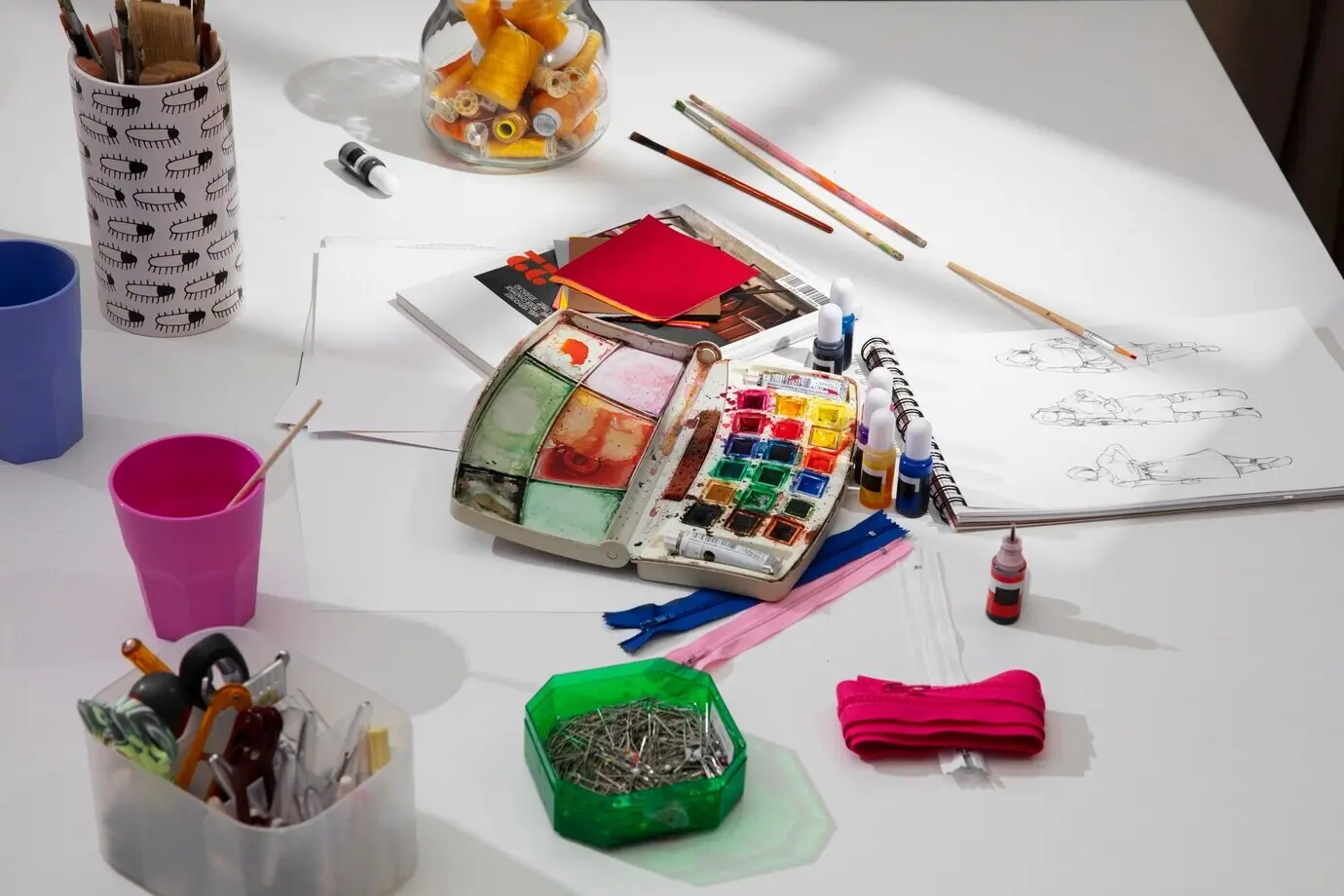
Think of vibration as a message you do not want delivered to the floor. Add a stone or sand mass layer, then soft isolators, then a stiff plate under the machine. This sandwich dramatically reduces transmitted buzz. Check foot compression, retune input‑shaping or jerk limits, and you’ll be surprised how neighbor‑friendly even rapid toolpaths can become.

Night‑Friendly Motion and Slicing Strategies

Quiet begins in software. Use acceleration limits, arc fitting, and jerk smoothing to soften sharp moves. Favor fewer retractions, slower travel, and thicker walls for a deeper hum instead of chatter. For CNC, select conservative step‑downs and climb‑cut finishing passes. Schedule loud jobs for laundry hours, and keep a laminated ‘quiet profile’ card beside the machine.

Clean Air, Chips, and Fumes Under Control

Healthy breathing makes creativity sustainable. Pair HEPA with activated carbon for printing, and design chip collection that actually fits a small home for CNC. Keep hoses short, seals honest, and test airflow with incense or vapor. Choose low‑odor materials, vent outdoors respectfully, and maintain filters on a schedule. The result is freshness your guests immediately notice.

Layered Filtration That Fits in a Cabinet

Stack a prefilter, true HEPA, and carbon in a compact plenum that slides behind a drawer face. Add a pressure gauge so you know when to change media, and design quick latches for easy swaps. With a quiet, efficient fan, you can capture ultrafine particles and smells without a bulky industrial unit dominating your living space.

Chip Capture for Compact CNC Rigs

Use a skirted shoe, short hose, and a sealed bin with a simple cyclone to separate chips before the filter. Mount the vacuum in an insulated nook with plenty of cooling air. Empty the bin outside after quiet hours. A small brush and magnet wand catch stubborn swarf, protecting floors, socks, and the look of your room.

Safety, Power, and Calm Automation

Safety should feel invisible yet reliable. Use smart relays, thermal runaway protection, and smoke detection paired to phone alerts. Route power neatly with labeled breakers and load budgets, and never block egress. Interlocks on enclosures pause tools when doors open, while webcams verify status. With respectful automation, you gain confidence to leave the room without worry.

Smart Cutoff and Sensing You Can Trust

Install a contactless temperature sensor near hot ends or spindles, a smoke detector tuned for workshops, and a smart relay that can kill mains remotely. Tie alerts into your home hub with escalation rules. Build a habit: visual check, power check, ventilation check. Reducing uncertainty lowers stress, which is the real win in compact living.

Interlocks and Safe Doors in Tight Quarters

Use magnetic reed switches or hall sensors on enclosure doors to trigger immediate pause, spindle stop, and fan run‑on. Hinges should open fully without hitting furniture, and clear gaskets keep fingers away from pinch points. A simple ‘last open’ timestamp in your interface helps confirm everything is closed before you press start from the couch.

Furniture Integration with Real Style

Transform a mid‑century‑inspired credenza into a high‑performance cabinet: double doors, laminated panels, soft gaskets, and a pull‑out printer tray with locking rails. Perforated back panels hide filters and cable glands. Add a small drawer for nozzles and grease. Visitors see elegant furniture; you see a dependable tool that vanishes after cleanup and a quick wipe.
Build a shallow table with a torsion‑box lid that lifts to reveal a compact CNC with a removable spoilboard. Z‑height is limited, but precision for small parts is excellent. When closed, magnets secure the top and silence rattles. Rubber casters and a parking mat protect floors while preserving the lounge vibe your household already loves.
Turn necessary lines into intentional accents. Use braided sleeves matching your palette, oak or walnut cable combs, and brass grommets aligned with furniture geometry. Route vacuum hoses through shadow gaps so they disappear. These small touches soften the technical look, tame visual clutter, and make your living area feel curated rather than merely tolerated.

Materials, Tools, and Maintenance that Fits

A Filament Pantry that Actually Works

Use airtight boxes with quick‑view windows, rechargeable desiccants, and printed humidity cards. Rotate spools first‑in, first‑out, and park open spools in a dry‑box feeder ready to print. Log jam events and moisture issues to guide future purchases. When materials behave, your living room stays peaceful because projects finish cleanly on the first attempt.

Drawer‑Friendly Tool Library

Use airtight boxes with quick‑view windows, rechargeable desiccants, and printed humidity cards. Rotate spools first‑in, first‑out, and park open spools in a dry‑box feeder ready to print. Log jam events and moisture issues to guide future purchases. When materials behave, your living room stays peaceful because projects finish cleanly on the first attempt.

A Maintenance Rhythm You Can Keep

Use airtight boxes with quick‑view windows, rechargeable desiccants, and printed humidity cards. Rotate spools first‑in, first‑out, and park open spools in a dry‑box feeder ready to print. Log jam events and moisture issues to guide future purchases. When materials behave, your living room stays peaceful because projects finish cleanly on the first attempt.

Remote Workflow, Community, and Joyful Sharing

Distance can be a superpower. Stream cameras, control jobs, and track temps without opening cabinets, then sit back with family while layers build smoothly. Agree on quiet hours and communicate status with gentle lights. Capture lessons, share wins, and ask for feedback. Subscribe for new layouts, printable organizers, and case studies you can adapt tomorrow.

Lean Remote Control Without Desktop Clutter

Run OctoPrint, Fluidd, or Mainsail on tiny boards tucked inside enclosures, with a single hidden Ethernet cable for reliability. Mount the camera low for layer inspection and one wide for safety. Use phone widgets, not wall tablets, to keep surfaces clean. Minimal hardware still gives complete oversight and frees living areas from technical sprawl.

Family Agreements and Transparent Schedules
Post a weekly plan on the fridge: build times, noisy windows, and delivery deadlines. Invite roommates or kids to choose colors or material for one project each month. A shared calendar reduces friction and sparks collaboration. When everyone feels included, machines stop being intruders and become background characters supporting the household’s stories and ambitions.

Tell Your Story and Learn from Others

Share photos of your compact setup, favorite enclosures, and clever storage under this post, and subscribe for upcoming deep dives. Ask troubleshooting questions, drop slicer profiles, and compare airflow numbers. Your experiments will help someone else succeed in a studio apartment. Together we refine practical solutions that keep homes calm while ideas grow bold.
Thepawppy
Privacy Overview

This website uses cookies so that we can provide you with the best user experience possible. Cookie information is stored in your browser and performs functions such as recognising you when you return to our website and helping our team to understand which sections of the website you find most interesting and useful.